

Ready to ditch the crowds and head off-grid bush camping? For us, bush camping is the ultimate way to discover ‘out-of-the-way’ places in stunning locations. No powered campsites, no crowds, just surrounded by the unique landscape and nature…But going off-grid bush camping isn’t as simple as throwing a swag on the roof of your vehicle.
Your vehicle set-up is paramount to any successful bush camping adventure. Whether you enjoy weekend getaways or extended overlanding expeditions, we’ll guide you to nail your off-grid camping set-up like a pro!
Must-have Vehicle Modifications for Off-Grid Bush Camping
For off-grid bush camping, we often need to travel further and carry more, so it’s a good idea to have a reliable 4×4 vehicle that’s well-equipped. 4×4 modifications are crucial for enhancing your vehicle’s capability, load-carrying capacity, safety, and self-sufficiency in often remote locations.
1. Dual Battery System: Powering Your Off-Grid Bush Camping
A dual battery system is an essential upgrade for bush camping. Running your vehicle’s battery flat in a remote area is no fun, so having a dual battery system and a solar panel setup will cover additional power use. A dual battery system can be connected to 12V power sources (such as USB ports and 12V outlets) and run appliances like fridges, lights, charge phones, and other electronic devices without drawing from your primary vehicle’s starter battery.
It is important to size your battery setup correctly, using a decent calculator or, if you have the knowledge, a spreadsheet! In order to do this you need to understand all the loads you require to run from the battery system and for how long you need to be off-grid.

An inverter can also be installed, if desired, to enable 240V in the bush, provided you have the necessary battery capacity and a need for it. To ensure your vehicle’s electrical safety, we recommend having your battery system and 12V wiring installed by a professional Auto Electrician or a reputable 4×4 store, such as ARB or TJM.
2. Suspension Upgrade: Essential for Comfortable Off-Road Bush Camping & Overlanding
When it comes to bush camping and overlanding in Australia, your vehicle needs to handle more than just rough terrain — it also needs to carry extra weight. From water tanks and camping gear to recovery equipment and rooftop tents, a standard suspension system often isn’t up to the task. Upgrading to a heavy-duty aftermarket suspension not only improves your vehicle’s load-carrying capacity, but also enhances ground clearance, stability, and ride comfort on challenging tracks. It’s a smart investment for safer, smoother, and more capable off-grid adventures.
3. GVM Upgrades: Maximising Your Load for Australian Overlanding & Bush Camping
For serious overlanding and bush camping, a GVM (Gross Vehicle Mass) upgrade is often a must. This upgrade legally increases your 4×4’s load-carrying capacity, allowing you to pack essential gear without exceeding weight limits. Water tanks, recovery gear, camping setups, a car fridge, bull bars, and roof racks can quickly add up — and overloading your vehicle doesn’t just affect performance, it can make your setup illegal and unsafe. Your vehicle’s GVM is set by the manufacturer and can usually be found on the compliance plate inside the driver’s door frame. Upgrading it ensures your rig is ready for remote adventures — safely and legally.
4. Tyre Choice: The Foundation for Safe Off-Road Bush Camping
Tyre choice is paramount for any Australian adventure, and while quality all-terrain (AT) tyres are indeed an excellent starting point, a more nuanced approach ensures optimal safety, performance, and longevity for your specific travel plans. For the diverse terrains Australia offers, from expansive sealed highways to corrugated outback tracks, sandy beaches, and muddy trails, selecting the right tyre type goes beyond basic on- and off-road capability.
Understanding Tyre Types for Australian Travel:
- All-Terrain (AT) Tyres: As mentioned, AT tyres strike a versatile balance, offering competent performance on both sealed roads and moderate off-road conditions. Their tread patterns are designed for improved traction on gravel, dirt, and light mud, and good quality ATs feature reinforced sidewalls (often with a three-ply construction) which significantly enhance puncture resistance – a crucial factor when tackling Australia’s often sharp and rocky tracks. They are generally quieter and offer better fuel economy on road than more aggressive off-road options, making them a popular choice for those who combine touring with occasional off-road excursions.
- Highway Terrain (HT) Tyres: Typically fitted as standard on many 4x4s, HT tyres are optimized for sealed road performance, offering a smooth ride, good fuel efficiency, and low road noise. While suitable for urban and highway driving, they lack the robust construction and aggressive tread patterns required for venturing off the bitumen, making them unsuitable for most Australian touring that involves unsealed roads or off-road conditions.
- Mud-Terrain (MT) Tyres: For serious off-road enthusiasts tackling extreme mud, rocky climbs, or highly technical trails, MT tyres are the go-to. Their aggressive, open tread blocks provide maximum grip in challenging conditions and are designed to self-clear mud. However, this comes at the cost of on-road comfort, increased road noise, reduced fuel economy, and generally faster wear on sealed surfaces. They also require careful management of tyre pressures when transitioning between different terrains.
5. Deflators and Air Compressor: The Essential Duo for Australian Track Versatility
Pairing your quality All-Terrain (AT) or Mud-Terrain (MT) tyres with dedicated tyre deflators and a reliable air compressor isn’t just a recommendation; it’s a fundamental requirement for anyone venturing beyond sealed roads in Australia. This combination unlocks true “track versatility,” allowing your vehicle and tyres to adapt seamlessly to changing conditions.
The Overlooked Importance of Correct Tyre Pressure:
Unfortunately, the critical role of correct tyre pressure is indeed frequently overlooked, often leading to discomfort, reduced traction, increased wear and tear on both tyres and vehicle components, and even dangerous situations. Fixed at standard highway pressures, tyres are ill-equipped for the unique challenges of unsealed roads.
Benefits of Reducing Tyre Pressures Off-Road:
- Dramatically Improved Traction: By reducing tyre pressures, the tyre’s footprint (the area of contact with the ground) significantly increases. This larger contact patch distributes the vehicle’s weight over a greater surface area, providing superior grip and flotation on soft surfaces like sand, gravel, and mud. This is crucial for preventing getting bogged and for maintaining control on slippery or loose terrain.
- Smoother Ride on Rough and Corrugated Roads: Australia’s unsealed roads, particularly in the outback, are infamous for their corrugations (washboard-like bumps). Lowering tyre pressures allows the tyre’s sidewall to flex and absorb these impacts more effectively, dramatically smoothing out the ride. This not only enhances passenger comfort by reducing vibrations and jarring but also significantly lessens the stress and potential damage to your vehicle’s suspension, chassis, and steering components. It’s a critical factor in preventing fatigue on long stretches of rough road.
- Enhanced Capability in Tricky Situations: Whether navigating rocky creek crossings, soft sand dunes, or muddy sections, a reduced tyre pressure can be the difference between getting through safely and getting stuck. The increased compliance of the tyre allows it to mould around obstacles, improving grip and reducing the likelihood of punctures or damage from sharp rocks. In sand, the wider footprint provides “flotation,” allowing the vehicle to drive over the sand rather than digging into it.
- Reduced Risk of Punctures and Tyre Damage: Counter-intuitively, softer tyres can be less prone to punctures on certain terrains. On rocky tracks, a harder tyre is more likely to ‘pop’ or tear on a sharp rock. A softer tyre can flex over the obstacle, distributing the impact. This doesn’t eliminate the risk, but it significantly mitigates it.
The Importance of Re-inflation:
The final and equally vital step in this process is to always reinflate your tyres, using an appropriate air compressor, to their appropriate on-road pressures before hitting the black-top. Driving on sealed surfaces with significantly reduced tyre pressures leads to:
- Excessive Heat Buildup: Underinflated tyres flex excessively, generating immense heat, which can lead to tyre delamination and catastrophic failure (blowouts).
- Rapid Tyre Wear: Uneven and accelerated tread wear, significantly reducing the lifespan of your expensive tyres.
- Reduced Fuel Efficiency: The increased rolling resistance consumes more fuel.
- Compromised Handling and Braking: Your vehicle’s steering response and braking performance will be severely impaired, increasing the risk of accidents.
Choosing Your Equipment:
- Tyre Deflators: Invest in quality deflators that allow for rapid and accurate pressure reduction. Some systems can deflate all four tyres simultaneously, saving significant time.
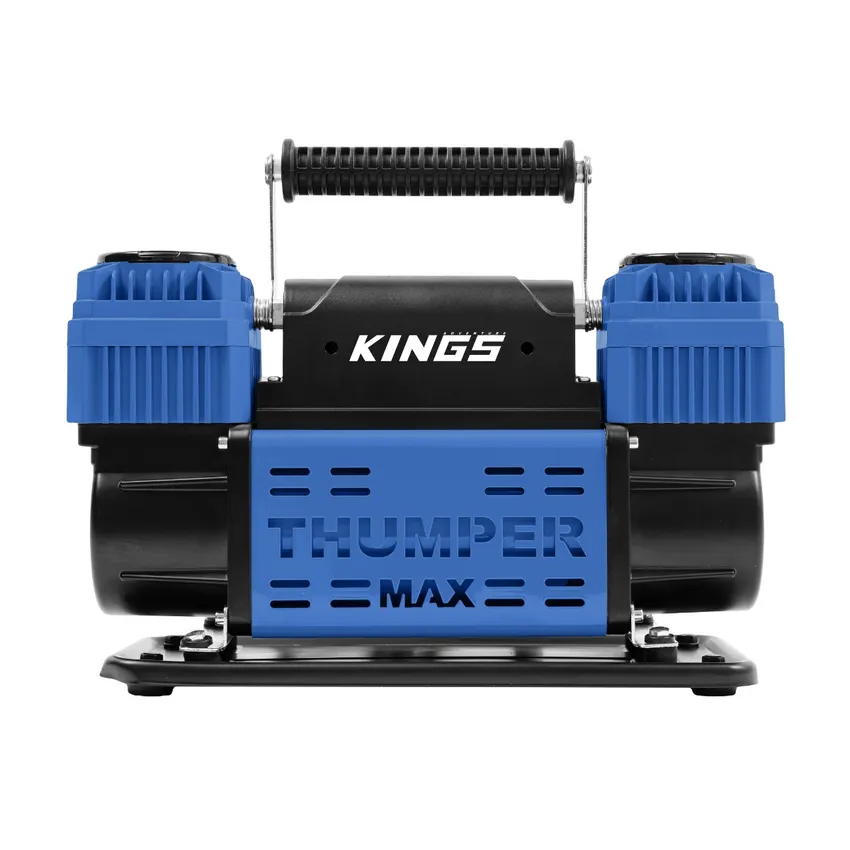
- Air Compressor: Opt for a robust 12V air compressor with a high flow rate (measured in litres per minute, L/min) to quickly reinflate large 4×4 tyres. Features like thermal cut-out protection, a durable hose, and a built-in gauge are desirable. Consider the duty cycle if you plan to do a lot of re-inflating.
Recovery Gear, Spares, and Tools: Equipping for Self-Sufficiency in the Australian Outback
For any off-road vehicle venturing into the vast and often remote Australian bush, carrying a comprehensive array of recovery gear, essential spares, and a capable toolkit is not merely advisable – it’s absolutely critical for self-sufficiency and safety. Breakdowns or getting bogged miles from help are common occurrences, and being equipped to resolve these issues yourself is paramount for overlanding and bush camping.
Essential Recovery Gear (Often Permanently Mounted for Accessibility):
Certain recovery items are so crucial and frequently used that they are often permanently mounted to your 4×4 for immediate access:

- Recovery Boards (e.g., Maxtrax or Tred Pro): These highly effective traction aids are invaluable for recovering from sand, mud, or even slippery rocks. Their lightweight design allows for external mounting on roof racks or spare wheel carriers, ensuring they’re always ready.
- Snatch Strap / Kinetic Recovery Rope: A strong, elastic strap designed to stretch and then contract, smoothly pulling a stuck vehicle free using kinetic energy. These are highly effective for vehicle-to-vehicle recovery. Crucially, these must be used with rated recovery points on both vehicles.
- Shovel: A sturdy, long-handled shovel is indispensable for clearing sand, mud, or rocks around your tyres, or for digging out a track.
- Dampener Blanket: A heavy blanket placed over a snatch strap during use, designed to absorb energy and reduce the risk of injury if the strap or a recovery point fails.
- Rated Bow Shackles / Soft Shackles: Ensure you carry at least two, preferably four, rated shackles (either traditional steel bow shackles or safer, lighter soft shackles) for connecting recovery straps and ropes to your vehicle’s recovery points.
Comprehensive Onboard Toolkit (Always Kept Securely in Your Vehicle):
A well-stocked toolkit can prevent minor issues from escalating into major problems. Beyond basic roadside tools, consider:
- Socket Set & Spanner Set: A comprehensive range of metric and imperial sizes (if applicable to your vehicle) for common nuts and bolts.
- Multitool & Pliers: Versatile hand tools for various minor repairs and adjustments.
- Screwdrivers (various types): Flathead and Phillips head, in different sizes.
- Adjustable Wrench (Shifter): Handy for various tasks.
- Hammer: For tent pegs, but also useful for persuasion in minor repairs.
- Tyre Pressure Gauge: A reliable gauge for accurate tyre pressure adjustments (as previously discussed).
Critical Spares (Tailored to Your Vehicle and Trip Remoteness):
While you can’t carry everything, a selection of common failure points can save a trip:
- Tyre Repair Kit: A high-quality plug kit for roadside punctures is essential. Consider a spare valve stem and core remover too.
- Filters: Spare fuel filter and air filter, especially for dusty conditions.
- Hoses: Radiator hoses and other critical engine hoses, along with hose clamps.
- Fuses: A complete assortment of all fuse types used in your vehicle.
- Engine Oil & Coolant: Sufficient quantities for top-ups or emergency replenishment.
- Drive Belts: A spare for engine accessories.
- Wheel Nuts: A few spares, as they can get lost or damaged.

Vehicle Storage: Maximising Your Bush Camping Capacity
Effective vehicle storage is fundamental to successful bush camping in Australia, transforming your 4×4 from a daily driver into a self-sufficient expedition vehicle. The ability to safely and efficiently carry all your essential gear and equipment is paramount, preventing clutter, ensuring easy access, and distributing weight appropriately for safety and performance.

The installation of a drawer system or custom racking within the rear cargo area is a game-changer for organization. These systems create multiple, secure compartments for stowing recovery gear, cooking essentials, clothing, and food, keeping items tidy and preventing them from shifting dangerously during off-road travel. Paired with this, a robust roof rack significantly expands your carrying capacity, ideal for bulky or lighter items such as recovery boards, spare tyres (especially a second spare for remote trips), solar panels, and awnings. When choosing a roof rack, consider its dynamic and static load ratings – crucial for understanding how much weight it can safely carry while driving versus when stationary.
Beyond these core systems, a range of accessories further tailor your vehicle for extended bush stays:
- Jerry Can Holders: Essential for carrying extra fuel or water, particularly when venturing into areas with limited resupply points. Secure mounting is vital to prevent spills and damage.
- Fridge Slide: A dedicated slide for your 12V fridge/freezer not only makes access effortless but also allows for proper ventilation, ensuring your perishables stay cold.
- Water Tanks: Integrated water tanks (often mounted discreetly under the vehicle or within drawer systems) provide a reliable supply for drinking, cooking, and washing, reducing the need for numerous bulky jerry cans.
- Toolboxes: Securely mounted toolboxes (often on roof racks or integrated into canopies) keep essential repair tools and spares protected and easily accessible.
- Canopy: For ute owners, a durable aluminium or steel canopy provides a lockable, weather-proof, and dust-proof space, offering immense versatility for custom fit-outs including integrated drawers, fridges, and power systems. These often become the ‘living room’ of a bush camp setup.
Gear Selection: Tailoring Your Bush Camping Setup to Your Off-Road Vehicle
The choice of your off-road vehicle profoundly influences the entire configuration of your bush camping and overlanding setup. Different 4×4 types lend themselves to distinct shelter and carrying solutions, ultimately dictating your overall comfort and capability in remote Australian environments.
From the compact and versatile rooftop tents, perfect for quick overnight stops and offering elevated sleeping away from ground critters, to traditional swags and ground tents that provide a classic, robust bush experience, or even sophisticated aftermarket vehicle campers that transform your 4×4 ute or wagon into a self-contained living space – your vehicle’s capacity and your personal preference will guide your primary shelter choice.

Regardless of your chosen primary setup, several other essential accessories are crucial for completing a functional and enjoyable bush camping experience. These items enhance convenience, safety, and comfort when you’re truly off-grid:
- Roof Rack Mounted Awning: An absolute non-negotiable for Australian conditions, a robust awning provides vital shade from the intense sun and crucial shelter from rain or strong winds, instantly expanding your usable living space around the vehicle.
- Camping Chairs & Table: Lightweight, comfortable, and compact camping chairs are paramount for relaxation after a day of driving or exploring. A sturdy, foldable table is equally essential for food preparation, cooking, and communal dining, ensuring hygiene and convenience.
- Comprehensive Lighting Solutions: Don’t underestimate the Australian darkness! Beyond headlamps for personal use, invest in vehicle-mounted LED strip lights for illuminating your camp area, portable battery-powered lanterns for general ambient light, and robust spotlights for setting up camp in the dark or spotting wildlife.
- Efficient Cooking Gear: Whether it’s a gas stove for quick meals, a portable fire pit with cooking grates for camp oven creations, or a full pull-out kitchen system from your canopy, reliable cooking gear is vital. Don’t forget associated accessories like a kettle, billy, and sturdy cooking utensils.
- Recovery Wheel Bag / Rubbish Bag: A heavy-duty canvas wheel bag (or ‘tyre bag’) attaches securely to your spare wheel and is perfect for storing muddy recovery gear or, crucially, for collecting and carrying out all your rubbish. “Leave no trace” principles are paramount in the Australian bush, and a dedicated rubbish bag ensures you bring everything back with you, protecting our pristine natural environments.
- Basic Camp Essentials: Don’t forget the smaller, yet critical, items: durable ropes and pegs for securing tarps or extra shelter; a collapsible washing tub for dishes; reliable lighters or fire starters; and a full set of unbreakable plates, cutlery, and cups.
Safety and Communication: Non-Negotiable for Remote Bush Camping & Overlanding
When venturing into Australia’s vast and often isolated bush for camping or overlanding, the aspect of safety and reliable communication simply cannot be overlooked. Being prepared for the unforeseen in remote areas is not just a good idea; it’s a fundamental requirement for your well-being and, potentially, survival.
Your first line of defence should be a robust offline navigation app (such as Hema Maps, Gaia GPS, or Avenza Maps, popular choices in Australia) installed on a dedicated tablet or your smartphone. These apps, pre-loaded with detailed topographic maps, allow you to always know your precise location, even without mobile phone reception, which is almost non-existent in many remote parts of Australia. This is crucial for navigation, tracking your journey, and pinpointing your position in an emergency.
Furthermore, a comprehensive first aid kit is absolutely essential and must be permanently mounted in an easily accessible area within your vehicle. This should be more than just a basic domestic kit; it needs to be well-stocked for treating snake bites, spider bites, serious cuts, burns, and other injuries common in the bush, and ideally, you or someone in your group should have basic first aid training.
Completing your remote safety pack with a dedicated emergency communication device is paramount. Relying solely on mobile phones in the outback is a dangerous gamble due to the vast areas with no coverage. Options include:
- EPIRB (Emergency Position Indicating Radio Beacon) or PLB (Personal Locator Beacon): These devices transmit a distress signal directly to rescue authorities via satellite, providing your precise location in a life-threatening emergency. They are designed purely for emergency use.
- Satellite Messaging Device (e.g., Garmin inReach, Zoleo, or Spot): These offer two-way text communication via satellite, allowing you to send and receive messages with family or emergency services, and track your movements. Some also have an SOS button for direct emergency activation.
- Satellite Phone: For those needing voice communication capabilities in remote areas, a satellite phone provides the most direct link, though it’s typically a more significant investment.

- Starlink (Satellite Internet): While offering high-speed internet, Starlink is more of a convenience for connectivity than a primary emergency communication tool. Its power requirements and physical setup mean it’s not ideal for immediate, on-the-go SOS situations like a PLB or satellite messenger.
Use the QR Code and receive a free month with Starlink.
Finally, a UHF Radio (Ultra High Frequency) is an invaluable addition to your 4×4. Operating on short-range frequencies, it allows for vehicle-to-vehicle communication, essential for convoy travel, warning other drivers of hazards on blind corners, or communicating with road trains. It’s widely used by truckies, caravanners, and 4×4 enthusiasts across Australia and provides a vital local communication link where mobile phones fail.

Ready for Bush Camping Like A Pro?

Bush camping is about freedom, escaping the crowds and enjoying unique and wonderful places in the outdoors. The proper vehicle setup and gear can give the ability to go anywhere with confidence, and is key to a successful and safe bush camping adventure. So pack smart and prepare your vehicle well, leading to unforgettable expeditions off the grid!