Being subjected to Tourist Taxi Scams and scamming visitors is natural. You can see that when you consider it from the scammer’s perspective. Imagine yourself in their shoes; not saying it is correct, just saying it will happen. It has terrible side effects beyond the noticeable impact of being intimidating and frustrating. It also gives a city a bad reputation and inflates costs.
This article covers what to watch out for and the common scams in Southeast Asian countries like Vietnam, Thailand, and Cambodia. Like the hotel and taxi scams.
We cover how to avoid the scams and have followed this up with an article that compares rideshare apps like Grab, Gojek, and Be. We also cover a few alternatives to keep you safe from scams.
Lastly, we cover country-specific travel scams and what to watch out for in the major tourist hotspots, but in summary, most scams we have found are variations on a common theme.
Taxi Scams: How to Avoid Getting Ripped Off
Taxi scams are common in many Southeast Asian countries. They are often discussed on travel forums and blogs, but we can’t find official statistics on their frequency, so we cannot answer the question, “How often do scams happen?” This makes it hard to quantify them. Bad stories get more attention than good ones on travel forums, YouTube, Instagram, and Facebook groups.
With this in mind, we’ve looked into the most frequent scams visitors report. We have discussed them broadly by category.
Taxis are handy in much of Southeast Asia, including Vietnam. Use this article’s information to stay sharp and out of trouble. Here’s a breakdown of the most frequent scams and how to avoid them:
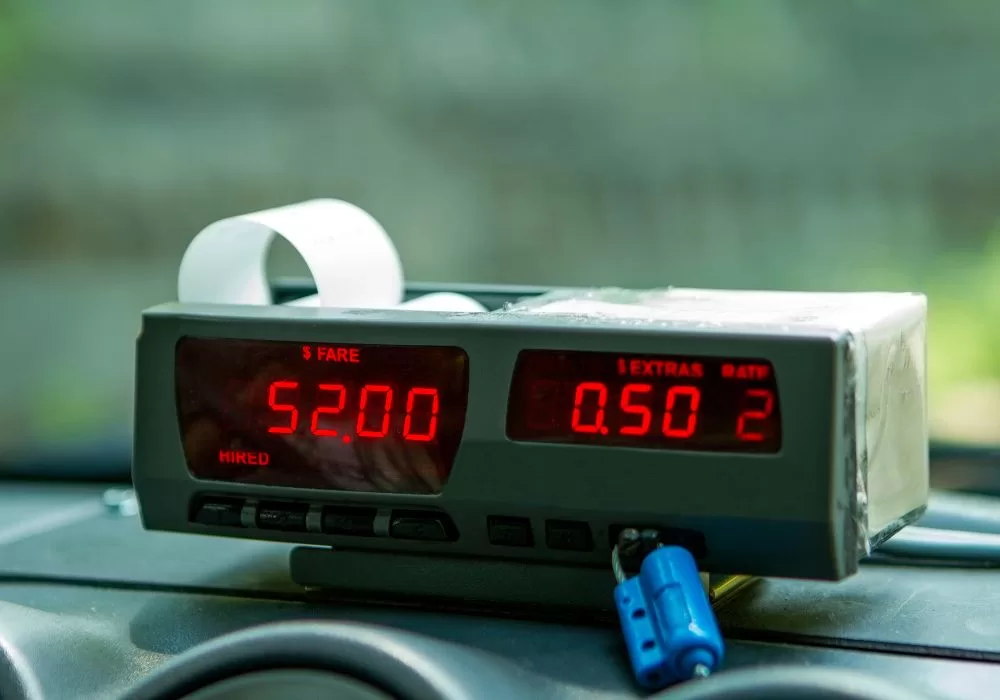
Scams involving the fare meter
- Tampered meter: This is an old classic. The meter is tampered with to make it count faster. This can vastly inflate your fare.
- Refusing to use the meter or the “No Meter” scam: This is about refusing to use the meter. In this scam, the driver may refuse to use the meter. Instead, insisting on a flat rate that’s often much higher than the usual fare. Local knowledge is the key here. Use Google Maps to help give you insight into the distance and likely fare.
- The “Broken Meter” scam: This is essentially the same as the “No Meter” scam. The driver claims that the meter is broken or unavailable. They demand a negotiated fare. Your best approach here is to walk away.
The Destination scam
- Being taken for a long ride: The Long Way, or being taken for a long ride, is when the driver takes a route that makes the journey longer than it needs to be. They do this to inflate the fare. This could involve heavy traffic areas and unnecessary detours.
- Fake attraction or location: Motivated by a kickback. Your driver may take you to a fake or overpriced tourist attraction. Where they might receive a commission.

The Fake Grab, Be or Cab
Always book your ride via the Grab or Xanh SM apps; this will give you a plate number. Never negotiate with a Grab or Be driver outside the app. It is entirely possible that the driver could be fake. We were able to purchase a Grab jacket from one of the clothing stalls on the main streets of Hanoi’s Old Quarter.
In Vietnam, taxis have yellow number plates. Do not get into a taxi/cab with a white plate; white plates are for a personal vehicle.

Others – The sting in the tail scams
- Hidden Fees: The driver might add surprise charges for luggage or tolls. They weren’t mentioned upfront.
- Fake Money Scam: At the end of your journey, the driver claims your cash notes are fake and tries to pocket them.

Check out this article on planning your Southeast Asia Travel and Itinerary.
How to Avoid Tourist Taxi Scams Anywhere
Here are our tips for avoiding scams when you’re out and about checking out the sites. The best of these is to use ride-sharing or hailing apps like Uber and booking apps, like 12Go for longer journeys and also Grab or Gojek. Uber does not operate in most of Southeast Asia; it pulled out of most countries around 2018 due to intense competition from the likes of Grab.
Travel Tip – Find Transport – Ferry, Buses, Trains and Planes
In all our travels around South East Asia, when we need to organise longer journeys between regions, capitals and countries, we have generally used 12Go to assess the options. They have a handy feature, which allows you to check the options and manage your travel bookings to get you from place to place on one page.
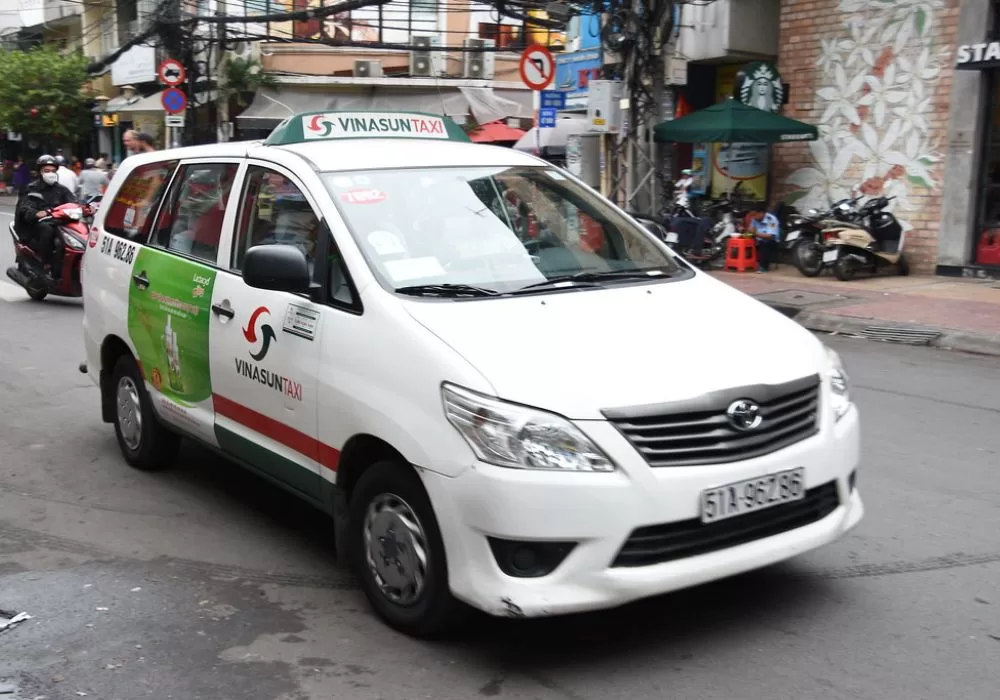
- Ride-hailing and ride-sharing apps: Use ride-hailing apps like Grab, Be or Xanh Sm. They offer clear fares. You can pay without cash through the app. BTW: Did you know that Gojek has stopped operating in Vietnam?
- Use reputable taxis: Look for metered taxis. They should be from good companies like Vinasun (white with green stripes) or Mai Linh (white with green logo) in Vietnam. These companies are known for their honesty and fair prices.
- Use Metered Taxis: If you must use a taxi, insist on one with a working meter. If you have any doubt, walk away. There are loads of other rides available.
- Negotiate the fare beforehand: If you must use a taxi and can’t find a Vinasun or Mai Linh taxi, negotiate the fare before you get in. Agree on using the meter first, before resorting to a fixed price. Get confirmation from the driver before starting your journey if the meter will be used.
- Know taxi fare estimates: If you can, use Google Maps and a ride-share app to estimate the fare. Do this before you negotiate. It’s going to help you know what to aim for.
- Carry small cash notes/currency: Have a small Vietnamese Dong (VND), for example. This will avoid the “fake money” scam and make negotiation easier.
- Be wary of airport hustlers. When you arrive, be cautious of hustlers offering taxis. These are often not registered and could be more prone to scams. Consider booking a ride through a ride-hailing app. Or, use the official airport taxi service. Or book an airport transfer service to collect you, Ho Chi Minh, Hanoi, or Bangkok.
- Don’t be afraid to walk away. If you feel uncomfortable or suspect a scam, leave and get another taxi or use a ride-hailing app. There’s no shame in prioritising your safety and wallet.
If you follow these tips, you’ll be much more unlikely to get scammed. Knowing what to look out for will help you to enjoy your travel throughout Southeast Asia. By the way, be sure to check out our guide to planning a trip in Southeast Asia here.
Reporting Tourist Scams:
If you fall victim to a taxi or hotel scam, report it to the local authorities and report it to the Vietnam National Administration of Tourism. This action helps control the taxi industry and safeguards future travellers.
South East Asia Country Common Traveller Scams
Every scam we have encountered, even when specific to a particular country, is a variation on a theme. Almost every country in the world has variations of the scams we told you about. In this section, we try to cover the scams as they are known in each region.
Thailand Scams
Thailand is probably the most well-documented when it comes to scams. Nieve tourists have been coming here for decades, and all fall prey to the sophisticated schemes of scammers, especially when under the influence of drink, drugs or love. Here are some common scams to watch out for.
Tuk-Tuk Scams
- Overcharging: Tuk-tuk drivers are notorious for overcharging tourists. Always negotiate the fare before getting in.
- Detours: Drivers might take you on a longer route to increase the fare or drop you off at a commission-based shop.
- Fake Temples: Some drivers may claim a temple is closed and offer to take you to another one, often a tourist trap.
Gemstone Scams
- Overpriced Gems: You’ll be lured into a gem shop with promises of rare and valuable stones at incredibly low prices. These are often fake or overvalued and often have some form of intimidation associated with those who are not willing.
- High-Pressure Sales Tactics: Salespeople will use aggressive tactics to convince you to buy, often claiming limited availability or special discounts.
Taxi Scams
- Meter Tampering: Taxi meters can be manipulated to run faster, resulting in higher fares.
- Refusal to Use Meter: Some drivers might insist on a flat rate, which is often higher than the metered fare.
Other Scams
- Monkey Scams: In some tourist areas, you might encounter people with monkeys who ask for money to take a photo. Be cautious, as these monkeys can be aggressive.
- Fake Temples and Monks: Some scammers pose as monks or temple representatives, asking for donations or selling fake blessings.
- Pickpocketing: As with any crowded tourist area, be aware of pickpockets.
Hotel Room Change Scam
This scam is very deceptive because people often do not realise they have been scammed until it is too late. It involves a discounted room change on arrival and could impact anyone, no matter how you booked. Here is our experience…
We recently experienced this in December 2024 when we visited Hanoi’s old quarter. Our story is that we booked a room at the Sena Boutique Hotel via booking.com. Upon arrival after our long flight from Melbourne, we were greeted by the staff, who were very friendly. They advised us that our room had problems and that they had to change our room, but because the room was different, they would give us a 20% discount. Our new room was nothing like the ones we saw in the photos.


The new room was so small that we could not take a photo. The window did not have a view at all, and bright lights shone into our room.
It is standard practice in Vietnam to fill out lower-quality rooms sooner and charge a premium for smaller and larger rooms.
Vietnam Traveller Scams
Vietnam has its fair share of scams, most of which are similar to those discussed. Make sure you check out the situations we have already discussed. Below are some specifics, though.
Transportation Scams
- Taxi Scams: This includes meter tampering, refusing to use the meter, taking longer routes, and using fake destinations.
- Motorbike Rental Scams: Issues with damage charges, stolen bikes, or fake documents are common. This is also known as the Theft scam, where the rental bike will be stolen by a conspirator of the leasing company, and you or your travel insurance pay up!
- Cyclo Scams: Overcharging and detours are common tactics.
Shopping Scams
- Fake Merchandise: Counterfeit goods, especially luxury items, are widely available.
- Overcharging: Haggling is expected, but some shops will start with exorbitant prices.
- Weight Manipulation: Some markets might use inaccurate scales for weighing goods.
Tourist Scams
- Street Vendors: Beware of persistent vendors who might try to force you to buy something or damage your belongings.
- Photo Scams: Some people will ask to take a photo with you and then demand payment.
- Begging Scams: While there is genuine poverty, some begging is organised.
Other Scams
- ATM Scams: Skimming devices are common, especially in isolated ATMs.
- Restaurant Scams: Adding extra items to your bill or overcharging for drinks is possible.
- Hotel Scams: Be cautious of booking through unofficial channels, as you might encounter fake hotels or overcharging.
- Hoi An Tailor Scams: While Hoi An is famous for tailoring, some shops might use low-quality materials or deliver products later than promised.
Cambodia Traveller Scams
Like the other areas we have discussed, the same themes are present as they are in areas like Thailand with Tuk-Tuk and Gemstone scams.
Other Scams
- Fake Orphanages: Be wary of organisations claiming to help orphans. Many are scams designed to solicit money.
- Begging Scams: Children or adults may approach you asking for money. While some cases are genuine, many are organised scams.
- Pickpocketing: As with any tourist destination, be aware of pickpockets, especially in crowded areas.
Scams in Specific Areas of Cambodia
Angkor Wat Scams
- Ticket Scams: Be cautious of people offering to sell you Angkor Wat tickets at a discount, as they might be fake.
- Tuk-Tuk Scams: Tuk-tuk drivers often try to overcharge for transportation to and from the temples.
Phnom Penh
- ATM Scams: Skimming devices are common on ATMs, especially those in isolated locations.
- Motorcycle Theft: While not a scam, theft of motorcycles is prevalent. Avoid renting motorbikes or parking them in unsecured areas.
- Fake Police: Be wary of individuals claiming to be police officers, demanding bribes or personal information.
Siem Reap
- Angkor Wat Ticket Scams: As mentioned previously, be cautious of fake tickets or overpriced tours.
- Tuk-Tuk Scams: Extremely common in this tourist-heavy area.
- Gemstone Scams: Siem Reap is notorious for gemstone shops targeting tourists.
Sihanoukville
- Drug Scams: The city has a reputation for drug-related activities. Be cautious of accepting drinks or substances from strangers.
- Scams Targeting Foreigners: Due to the large expat population, there are various scams targeting foreigners, including rental scams, employment frauds, and visa issues.
- ATM Scams: Similar to Phnom Penh, ATM skimming is a concern.
Laos Traveller Scams
Laos is no different to any of the other tourist hotspots in SE Asia; the same scams exist, and the same unsuspecting victims are exploited. Here we have listed only a few specifics we found in Laos, which we have equally experienced elsewhere.
Visa and Border Scams
- Visa Fees: Be aware of unofficial agents offering visa assistance for a fee. It’s often cheaper to do it yourself.
- Border Crossing Fees: There might be attempts to charge extra fees at border crossings.
Scams in Specific Regions of Laos
While Laos is a relatively small country, there are some regional variations in scams.
Luang Prabang
- Tuk-Tuk Scams: Extremely common in this tourist-heavy area.
- Monk Almsgiving Scams: Some people may pose as monks to solicit money or goods.
- Elephant Trekking Scams: Be cautious of operators who mistreat elephants or offer overpriced tours.
Vientiane
- ATM Scams: Similar to other Southeast Asian cities, be cautious of skimming devices on ATMs.
- Taxi Scams: While less prevalent than in some other countries, it’s still possible to encounter overcharging or detours.
- Government Office Scams: Be wary of individuals claiming to represent government offices and requesting payments for various services.
Vang Vieng
- Tube Rental Scams: Some rental shops might charge excessive fees for damaged tubes or lost items.
- Drug Scams: The area has a reputation for drug use, and scams related to drug sales or consumption can occur.
- Alcohol-Related Scams: Be cautious of accepting drinks from strangers, as they might be spiked.
General Tips to Avoid Being Scammed:
- Always be aware of your surroundings.
- Trust your instincts. If something feels off, it probably is.
- Avoid carrying large amounts of cash.
- Use ATMs in well-lit and secure locations.
- Be cautious of unsolicited offers or advice.
- Research popular tourist attractions and scams associated with them before your trip.
- Pro-Tip – Always carry small bills. A common “micro-scam” is the driver claiming they have no change for a large 500 or 1,000 Baht/Dong note, forcing you to “tip” the difference.
Ride-share Apps Review
Check out our complete guide to Rideshare and Hailing Apps for SE Asia.
Tip – Alternative Apps to Consider in Southeast Asia
Grab, Gojek, and Be are major ride-hailing players in Southeast Asia. But, there are other options to consider based on your location and priorities for instance if you are travelling longer distances between cities or provinces. Here are some other options:
- 12Go is a great service to book your travel tickets between any locations you are travelling for instance town to town. They also offer Train, Bus and Plane tickets. Be sure to check them out.
- For tours check out services like Get Your Guide, Viator and Klook, which all allow you to pay online. Many tours will pick you up from an agreed location avoiding the need for a taxi.
- Regional ride-hailing apps operate in specific Southeast Asian countries. For example:
- FastGo is a growing ride-hailing app in Cambodia. It offers low prices and many vehicle options.
- Some traditional taxi companies offer booking apps. They provide a more formal experience. These might be good options if you prefer licensed taxis. You won’t mind potentially lower fares. Here’s an example:
- Easy Taxi operates in many Southeast Asian countries. It allows booking rides with licensed taxis through their app.
- Car rental services aren’t everywhere. They aren’t for everyone. But, they offer the flexibility of having your own car. Keep in mind factors like traffic, parking availability, and international driving permits.
SE Asia Travel Tip – Find Transport – Ferry, Buses, Trains and Planes
In all our travels around South East Asia, when we need to organise longer journeys between regions, capitals and countries, we have generally used 12Go to assess the options. They have a handy feature, which allows you to check the options and manage your travel bookings to get you from place to place on one page.
Remember: It’s good to research ride-hailing apps and car rentals at your destination. You can find the latest on availability, pricing, and user reviews. Also, ask your hotel what they recommend. They may have specific advice or services worth considering, which may not be discussed here.
Southeast Asia Taxi & Travel Scams: Top 10 FAQs
Here are some common questions we have had ourselves or been asked in SE Asia, when we are travelling.
What colour number plates do Taxis have in Vietnam?
Genuine taxis have Yellow number plates in Vietnam. Private cars have white plates.
How can I avoid being scammed by a taxi in Southeast Asia?
The most effective way to avoid scams is to insist on using the meter before the car moves. If the driver refuses, politely exit and find another taxi. Additionally, using ride-hailing apps like Grab or Bolt provides a fixed price upfront and a GPS-tracked route, which eliminates the risk of overcharging or “scenic” detours.
Why do some taxi drivers refuse to use the meter?
Drivers often claim the meter is “broken” or that they don’t use it during certain hours (like late at night). This is almost always a tactic to charge tourists a flat rate that is 2–5 times higher than the metered fare. In cities like Bangkok or Hanoi, using the meter is a legal requirement for licensed taxis.
What should I do if a driver says my destination is “closed”?
This is the classic “Closed Attraction” scam. The driver tells you the temple or palace you want to visit is closed for a “special ceremony” or lunch break, then offers to take you to a “better” alternative. In reality, the site is open; they are just trying to divert you to shops where they earn a commission. Always check the official opening hours online and insist on being dropped off exactly where you requested.
Is Grab safer than regular taxis in Thailand and Vietnam?
Yes, Grab is widely considered safer for tourists because it records the driver’s identity, the vehicle’s license plate, and the exact route. It removes the need for price negotiations, which is where most scams occur. It also allows you to pay via credit card, avoiding “wrong change” or “currency confusion” scams.
How much should a taxi from the airport to downtown cost?
While prices vary by city, you should always look for the official airport taxi stand rather than following “touts” in the arrival hall. For example, in Bangkok, a trip to the city centre usually costs 300–400 Baht (including tolls and airport surcharges). Scammers will often ask for 1,000 Baht or more.
Can I trust Tuk-Tuk drivers offering “20 Baht” city tours?
If a price seems too good to be true, it is. Extremely cheap rides are often subsidised by “commission stops.” The driver will take you to high-pressure jewellery (gem), tailor, or souvenir shops. While you aren’t forced to buy anything, it wastes your valuable travel time and supports unethical business practices.
What is the “Gem Scam” in Southeast Asia?
This scam involves a friendly stranger or driver convincing you that you can buy “wholesale” precious stones to resell for a profit in your home country. These “gems” are almost always worthless colored glass or synthetic stones. Never buy high-value items from shops recommended by drivers or strangers on the street.
How do I know if a taxi meter is rigged?
While rare, “turbo meters” can be tampered with to click over faster than they should. If you notice the price jumping every few seconds or rising significantly faster than the distance you’ve travelled, ask the driver to stop immediately in a safe, well-lit area, pay what is fair, and get out.
Should I agree on a fixed price before getting into a taxi or Tuk-Tuk?
For Tuk-Tuks, yes—since they do not have meters, you must negotiate and agree on a price before starting the journey. For Taxis, you should only agree to a fixed price if you are 100% sure of the fair local rate (e.g., for long-distance trips between cities). For city trips, always insist on the meter.
What are the best ways to spot a “fake” taxi?
Reputable taxi companies (like Vinasun or Mai Linh in Vietnam) have clearly branded cars, driver IDs displayed on the dashboard, and working meters. Scammers often use “unmarked” cars or mimic the colours of famous companies without the official branding. Always look for a prominent taxi license number on the door or roof.
Want more Southeast Asia Travel Content?
Visiting Angkor Wat: Everything You Need to Know 2026
UNESCO – Eighth Wonder of the World For most people visiting Cambodia, visiting Angkor Wat is top of their list and as it should be, because Angkor Wat is now the eighth Wonder of the World and recognised by UNESCO. Angkor Wat, located in the heart of Cambodia, has trounced Pompeii, Italy, to become the eighth Wonder of the…
Southeast Asia Tourist Taxi Scams – 2026
Being subjected to Tourist Taxi Scams and scamming visitors is natural. You can see that when you consider it from the scammer’s perspective. Imagine yourself in their shoes; not saying it is correct, just saying it will happen. It has terrible side effects beyond the noticeable impact of being intimidating and frustrating. It also gives…
Cambodian Cuisine: A Culinary Adventure
Cambodian food, whilst not as well known as that of neighbouring Thailand and Vietnam, is a complex, flavourful and ethnically diverse cuisine. To some extent, Cambodian cuisine is similar in concept to that of Vietnam and Thailand. However, Khmer traditional food is distinct and offers a bit of every flavour. Drawing upon centuries of influence…
What To Do in Ho Chi Minh City – Top 12 Activities for 2026
Discover the vibrant heart of Vietnam in Ho Chi Minh City, where history and modernity intertwine. From the haunting exhibits of the War Remnants Museum to the bustling energy of Ben Thanh Market, this city offers a plethora of experiences for every traveler. Whether you’re seeking cultural insights or culinary delights, our guide reveals the…
Ultimate Guide to Hanoi’s Street Food for 2026
To truly understand Hanoi, you have to eat it—preferably while perched on a tiny plastic stool as motorbikes whiz past your elbow. In 2026, the city’s culinary scene is a vibrant paradox: historic family recipes passed down through generations now sit side-by-side with a new wave of Michelin-recognised street stalls. Whether it’s the smoky char…
Ultimate Guide To Cambodia’s Best Beaches and Islands for 2026
Explore Cambodia’s coastal gems in this comprehensive guide, highlighting the best beaches and islands along the Gulf of Thailand. From the vibrant shores of Koh Rong to the tranquil retreats of Koh Rong Samloem and the secluded beauty of Koh Tonsay, discover the perfect destinations for every traveler. The article offers insights into each location’s…
The Top 10 Things To Do In Hanoi 2025
If you are deciding to travel around Vietnam, then Hanoi must be at the top of your list of cities to visit. The capital of Vietnam and home to historical monuments, cultural heritage, traditional cuisines, and tourist attractions galore. It is a city full of life and art in every corner. As soon as you…
The Ultimate 2 week Cambodia Itinerary 2026
Cambodia – For Curious Travellers Cambodia has to be one of the most impressive countries in the world, with beautiful beaches, stunning countryside, and wonderful people. Cambodia is an incredible country to explore, with fascinating cities, delicious Cambodian food and friendly locals. Cambodia is most famous for the ancient Khmer ruins –Angkor Wat – but…
The Ultimate Guide To North Vietnam 2025
South Vietnam consists of busy and crowded cities like Ho Chi Minh and Mui Ne, whereas North Vietnam gives you the best places to see with more insight into the natural landscapes of Vietnam like the lavish rice terraces, high mountain ranges, and architectural buildings.
Southeast Asia 2025: Need To Know To Plan the Ultimate Trip
We have wanted to travel to Southeast Asia, see all it has to offer, dip our toes into the adventure, taste the delicious food on offer and immerse ourselves in the culture and experience what Southeast Asia has to offer. We want to explore off the beaten track and see what gems Southeast Asia has…