Cambodian food, whilst not as well known as that of neighbouring Thailand and Vietnam, is a complex, flavourful and ethnically diverse cuisine. To some extent, Cambodian cuisine is similar in concept to that of Vietnam and Thailand. However, Khmer traditional food is distinct and offers a bit of every flavour.
Drawing upon centuries of influence from Indian traders, French colonialists, Chinese migrants and Vietnamese occupiers. Cambodian cuisine is a fusion of indigenous ingredients that has been shaped by the country’s culture and history, not only in the form of French-style baguettes but also in buns and other baked goods.
As with most of Asia, rice is Cambodia’s dietary staple, consumed at all meals. However, the Mekong River provides ideal growing conditions for freshwater fish, crustaceans, molluscs, and edible plants that are all key components of Cambodian food. Equally important are spice pastes (kroeung), fermented fish paste (prahok), which adds a salty/savoury component, palm sugar (khaw), and a wide variety of herbs. Like other Southeast Asian cuisines, Cambodian food is a balance of sweet, bitter, sour and salty flavours, although it’s markedly less spicy than Thai and Laotian food.
In order to fully experience Cambodian food, you need to fully embrace the food challenges. You will be introduced to all manner of offal, rodents, insects and arthropods as part of the Cambodian diet. If you think this is only truly traditional Cambodian food from the country, you are mistaken. This is eaten in the capital of Phnom Penh and throughout the country. The latter are generally consumed as snacks, but you’ll also find them as the protein component in main dishes.
So while travelling in Cambodia, don’t miss the chance to check out our list of the best Cambodian foods that you should taste and discover these unique flavours.

Check out our Cambodia Travel Itinerarys and Guides.
Cambodian Khmer Cuisine
Khmer cuisine is profoundly influenced by water, rice and freshwater fish due to the Cambodian geographical location and climate. Typically, Cambodians eat their meals with at least three or four dishes. A meal will usually include rice, the staple food in Asian cuisines, and a soup (locally known as samlor), served alongside the main courses. Each dish will be either sweet, sour, salty or bitter. Chilli (either fresh, pickled or dried) and chilli sauce are served on the side so that diners can add them as their personal preference.
The hallmark of Khmer cuisine is prahok, a fermented paste made from a small fish called trey riel, grey or brown in colour, with a strong odour and an intense flavour. It is used both as a condiment and as a main element in a variety of Khmer dishes, and it accounts for a large portion of protein in the Khmer diet. Another foundation of many Cambodian dishes is Kroeung, a distinctive spice paste made with a base of lemongrass, kaffir lime and galangal.
Traditional Khmer Food
Khmer cuisine has combined these elements with a distinct set of flavours and ingredients to form a unique taste. Listed below are the key ingredients found in every Khmer cook’s palette:
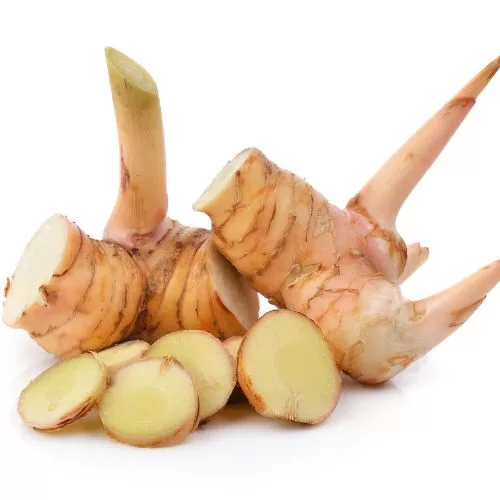
Galangal is a light-coloured root that resembles ginger, although the flavour is much milder. It is often ground into a paste before being added to a dish.
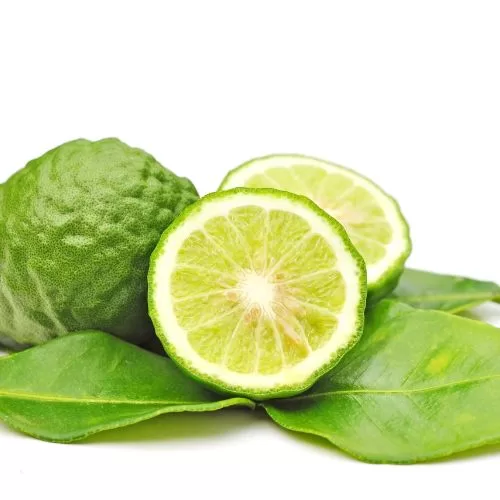
Kaffir lime is native to Indonesia and Malaysia. Its rind and leaves are ground and added to curries, soups and salads, lending a pungent, lemony flavour and deep green colour.
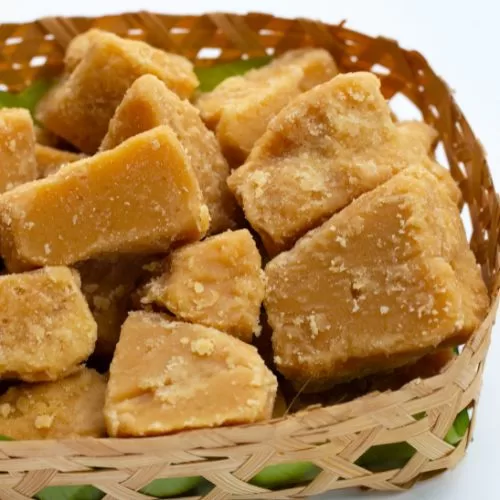
Palm sugar is reduced from the palmyra or sugar palms. It has a richer, earthier flavour than cane sugar. It comes in solid, golden blocks or packed in jars, and can easily be crumbled or melted.
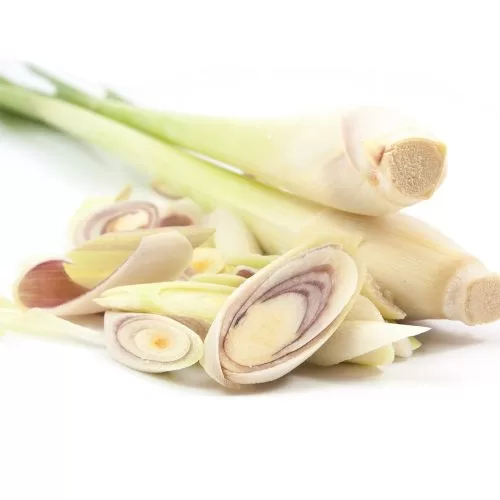
Lemon grass has a distinctive lemon flavour.
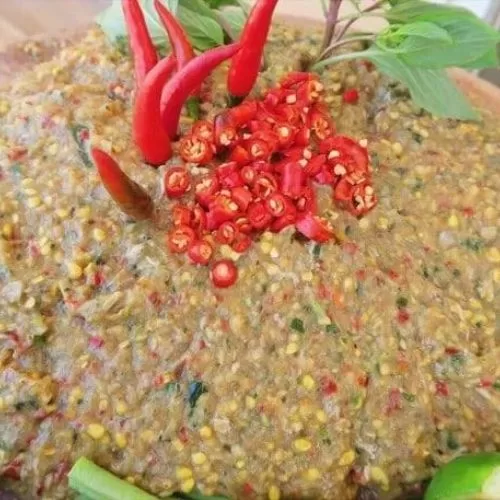
Prahok is a grey, fermented fish paste with a pungent, salty flavour. It is used as a seasoning, condiment, or even primary ingredient.
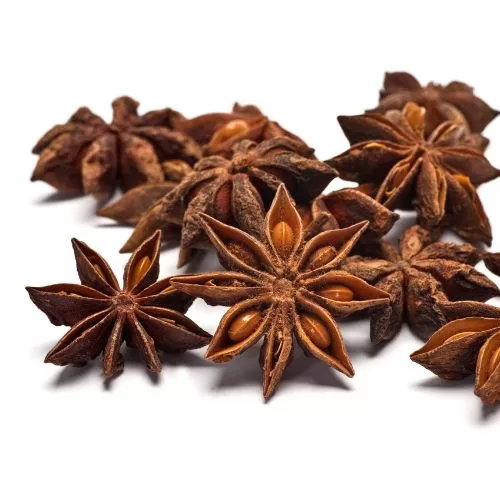
Star anise is native to China and is used in caramelised meats. It is also used medicinally as an aid to digestion.
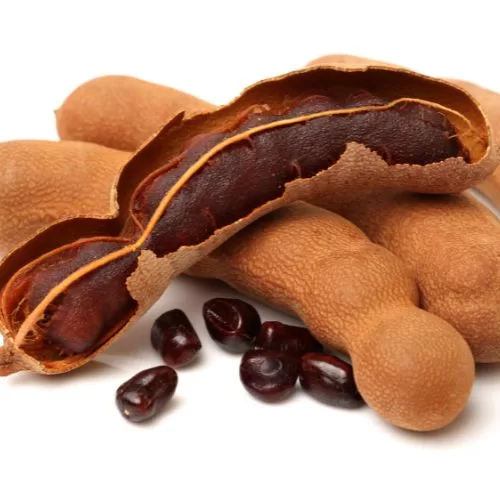
Tamarind is a dark, sticky fruit native to tropical Africa. It hangs from the tree in long pods, with a thin layer of sour fruit surrounding a string of hard, black seeds. It was brought to Indochina by Indian traders long ago and is commonly used to darken or sour soups and sauces.
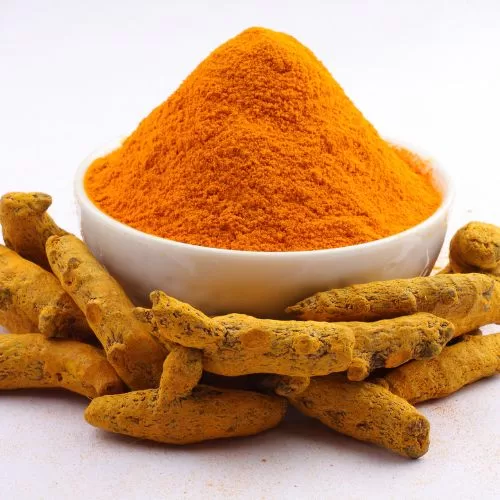
Turmeric is a rhizome that is ground and added to curries to give a rich, orange colour. It has a faint, bitter flavour and a distinctive, mustard-like smell.
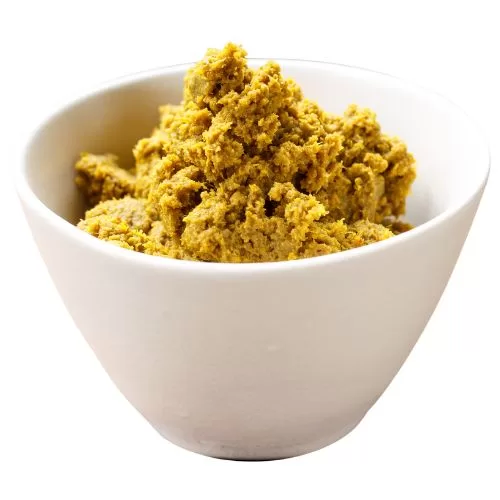
Finally, kroeung, or curry paste, forms the base of many Cambodian dishes, including the famous amok. It comes in green or red (cham pour seeds are added to give the red colour). The mix typically includes kaffir lime, galangal, turmeric, prahok shrimp paste, shallots and garlic.
Traditional Cambodian Dishes
Amok – Coconut Fish Curry
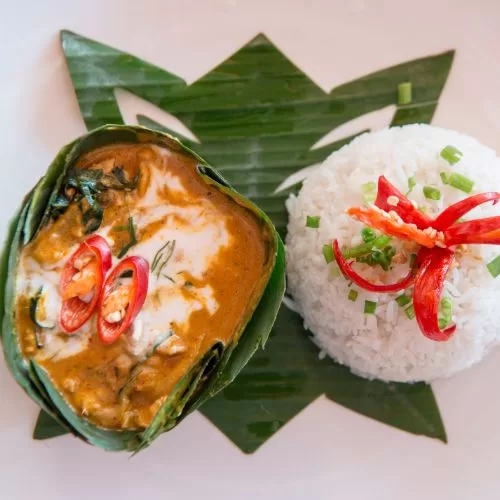
Being known as one of the most popular and signature dishes of Cambodia, fish amok can be easily found on menus in tourist hubs all over the country. Diced fillets of freshwater fish are smothered in a creamy curry-like sauce. Fish Amok Curry is a fragrant and spicy coconut fish curry tenderly steamed in banana leaves, which gives it a silky smooth texture which all but makes it melt in the mouth. The blended spice paste, kroeung, is also added to the dish. Amok chouk is another version made with steamed snails in their shells. Less traditional variations may use chicken or seafood, and be served as a thinner, creamy soup contained in coconut husks
Samlor Korkor – Traditional Cambodian Soup
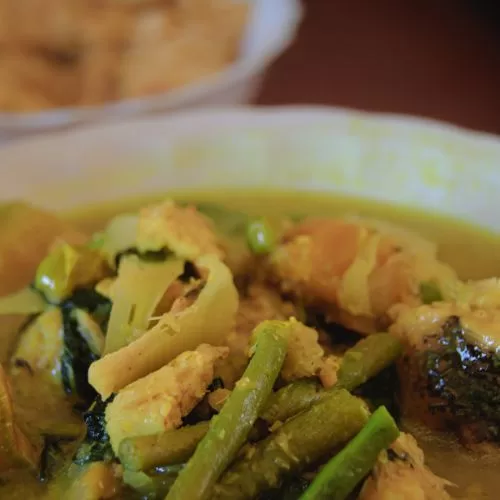
While Fish Amok Curry is sometimes called the country’s signature dish, and very familiar to tourists, locals voted Samlor Korkor as the true national dish of Cambodia. This traditional Khmer soup has been eaten by Cambodians for hundreds of years and can be found in restaurants, roadside stands and family homes alike. This type of soup is rich in both flavours and nutrition. Samlor Korkor is made from a variety of seasonal vegetables and herbs, including unripe papaya and banana, pumpkin, long bean, eggplant, turmeric, moringa and kaffir lime leaves.
Nam Banh Chok – Khmer Noodles
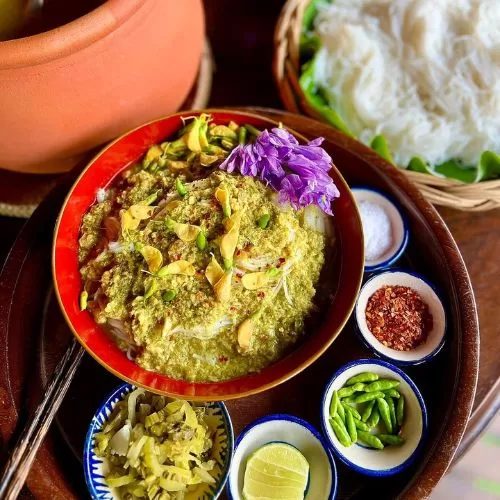
Nom banh chok is simply called in English “Khmer noodles”. Num banh chok is a fish-based curry and noodles dish typically eaten at breakfast all over Cambodia. Regardless of regional variations, num banh chok always includes the same main staples: fresh rice noodles laboriously prepared by hand, a fish-based green curry, and spices and vegetables such as lemongrass, ginger, turmeric, and garlic. When enjoying this dish, eaters add fresh cucumbers, banana flowers, long beans, edible flowers and wild leaves on top. It’s simply delicious when served with a sweet sauce called “tuk paem” made from palm sugar and peanuts. There are many regional variations to the standard recipe; for example, people in Kampot like to use dried shrimp, coconut cream, and fish sauce, while those in Siem Reap use more garlic and serve with a sweeter fish sauce.
Khmer Red Curry
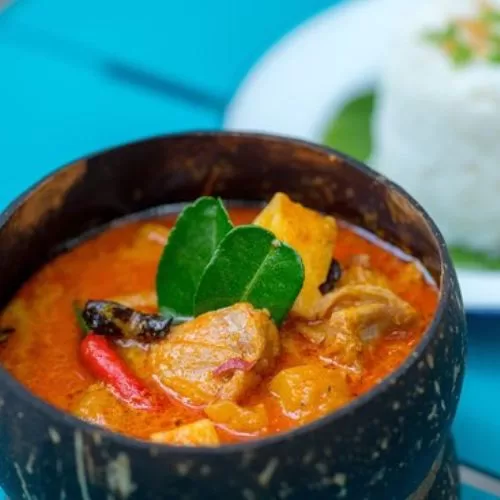
Cambodian red curry is less spicy than Thai curry and tends to include more herbs than spices, also milder and sweeter in taste. This rich but mellow dish contains coconut milk-based sauce, herbs and diced sweet potatoes, and other popular condiments like Cambodian curry paste – kroeung, garlic, shallots, turmeric and ginger. The recipes can be varied with fish, chicken or beef, but the most popular version is served with chicken. Accompanied by fresh rice noodles, white rice or sliced bread, Cambodians serve this delicious dish at special occasions like weddings, ceremonies, and religious holidays.
Pepper Crab
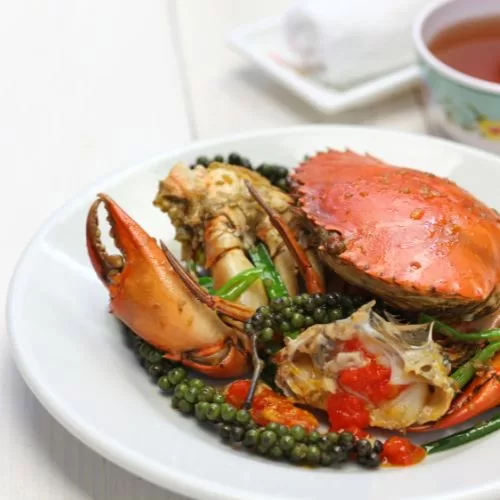
The coastal town of Kep is famous for the freshest and finest crabs, which are caught daily and sold at the bustling Kep Crab Market. They are then cooked in little roadside restaurants, where the freshest of catches are fried, quickly cooked and simply flavoured with immature green peppercorns from Kampot and garlic chives. Pepper crab is one of the best dishes in Cambodia. You can find this savoury, peppery dish in tourist cities like Phnom Penh and Siem Reap. However, local shacks and restaurants in Kep Crab Market are the obvious places to find the best peppered crabs.
Beef Lok Lak
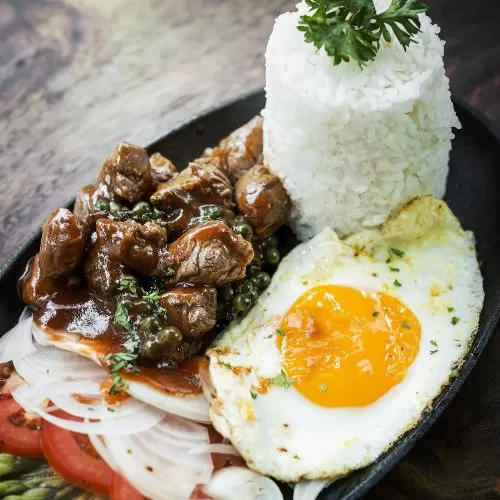
Beef lok lak is a renowned Khmer dish that has gained popularity among tourists visiting Cambodia. While the exact origins of Cambodian beef lok lak remain uncertain, it is believed that this dish emerged from Vietnam during the French colonial period. Making this dish relatively newer compared to the traditional Cambodian fish amok. “Lok lak,” which translates to “shaked beef”, draws an analogy to the cook’s skilful manipulation of his wok to ensure that all sides of the sliced beef are perfectly cooked.
Beef lok lak is a classic Khmer dish made using stir-fried strips of tender beef served on a bed of lettuce, sliced tomatoes, cucumbers and rings of raw onions. It’s often served with fried egg on top and a portion of rice on the side. The signature of this dish is the dipping brown sauce made with lime juice and Kampot peppers, which makes the flavour truly savoury.
Cambodian Street Food
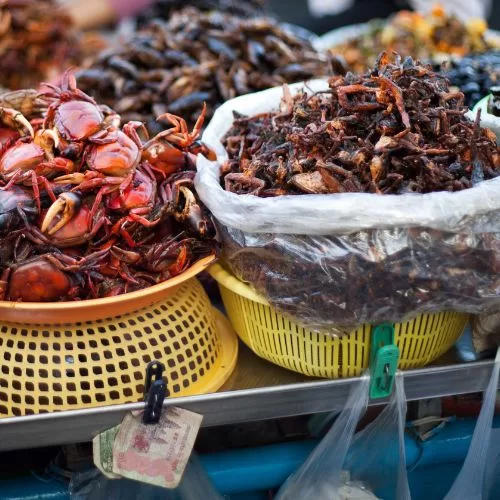
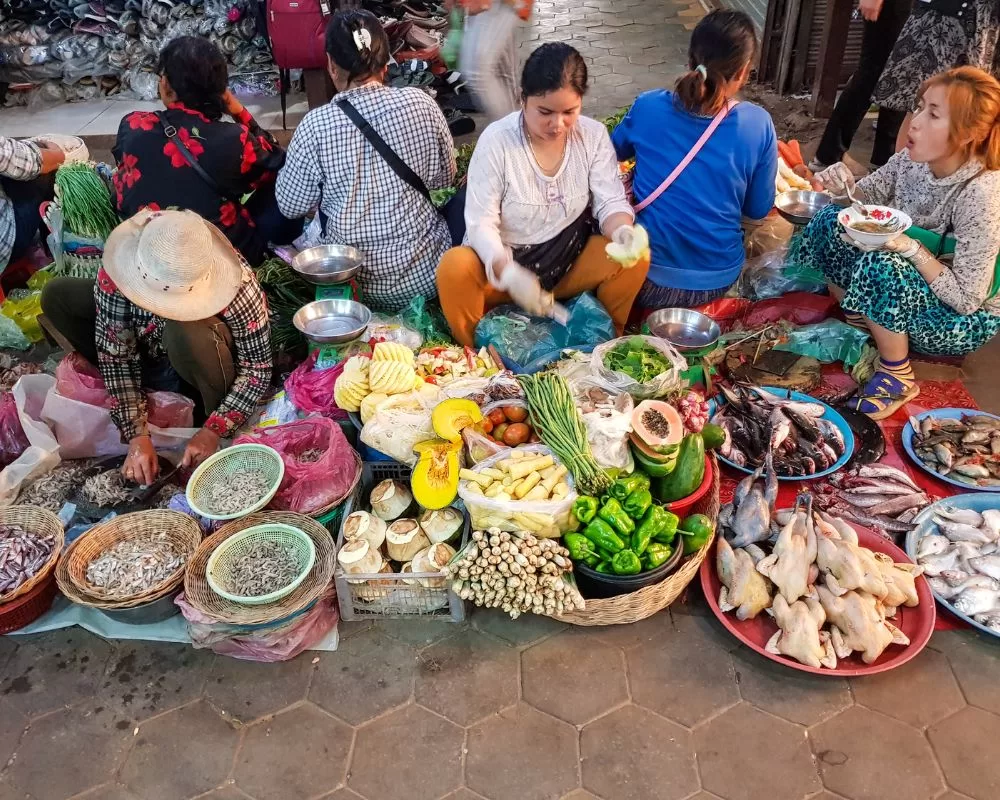
Cambodian street food is an important part of the social fabric, which is intrinsically linked to eating. Some traditional Cambodian street food you should try is nom pao – steamed, seasoned pork buns similar to Chinese bao. Sugar cane juice and Khmer coffee – iced or hot, it’s mixed with condensed milk and utterly addictive. Stir-fried noodles, fruit shakes, grilled meats and seafood are but a few things you will find at street food vendors … or even fried insects. You will most likely see local peddlers selling fried insects such as tarantulas, crickets, cockroaches and locusts. During the Khmer Rouge regime, many Cambodians had no choice but to eat insects to survive due to severe starvation. Gradually, the practice of eating insects has become a tradition, and fried insects are a street food staple in this country.
Regardless of whether you are a meat lover or a vegetarian, Khmer cuisine has something for everyone. Boasting rich flavours and fresh ingredients, Khmer food is a must-try for anyone visiting Cambodia.
Traditional Khmer Cambodian Cuisine: Top 10 FAQs
What is the national dish of Cambodia?
While Fish Amok is the most famous dish among tourists, many locals consider Samlor Korkor to be the true national dish. It is a traditional soup that has been eaten for centuries, packed with seasonal vegetables, herbs, and green fruits like unripe papaya and banana.
Is Cambodian food as spicy as Thai food?
No, Cambodian (Khmer) cuisine is generally much milder than Thai or Laotian food. While it uses similar aromatic ingredients like lemongrass and galangal, it relies more on herb pastes (Kroeung) and fermented flavours rather than high levels of chilli heat. Fresh or pickled chillies are usually served on the side so you can control the spice level yourself.
What is Fish Amok?
Fish Amok is a signature Khmer dish consisting of diced freshwater fish fillets smothered in a creamy, coconut milk-based curry sauce. It is traditionally steamed in banana leaves, which gives it a unique, silky, custard-like texture that melts in your mouth.
What is a typical breakfast in Cambodia?
The most popular breakfast in Cambodia is Nom Banh Chok, often called “Khmer Noodles.” It consists of fresh rice noodles topped with a fish-based green curry gravy and a mountain of fresh vegetables, edible flowers, and wild herbs. It is a staple morning meal found at street stalls throughout the country.
What is Prahok?
Prahok is a pungent, fermented fish paste that serves as the “salt” and the soul of Khmer cooking. Made from a small fish called trey riel, it adds a deep, savoury umami flavour to soups, curries, and dipping sauces. While it has a strong aroma, it is an essential protein source and flavour foundation in Cambodian culture.
What is the difference between Cambodian and Vietnamese food?
Though both share French colonial influences (like baguettes and coffee), Cambodian food relies more heavily on Kroeung (a complex herb paste) and freshwater fish from the Mekong and Tonle Sap. Cambodian curries also tend to be richer and use more spices like star anise and turmeric compared to the lighter, herb-forward broths typical of Vietnam.
Why do Cambodians eat insects?
Eating insects like tarantulas, crickets, and silkworms is a long-standing tradition in Cambodia. While the practice became a necessity for survival during the starvation of the Khmer Rouge regime, today these insects are enjoyed as popular, protein-rich snacks sold by street vendors and even served in high-end restaurants.
What is Beef Lok Lak?
Beef Lok Lak is a popular stir-fried dish featuring tender strips of beef served on a bed of fresh lettuce, tomatoes, and onions. The highlight of the dish is its signature dipping sauce made from lime juice, salt, and world-famous Kampot pepper, which gives it a bright, peppery finish.
Is Cambodian food vegetarian-friendly?
Yes, Khmer cuisine is very adaptable. Many dishes can be made vegetarian by substituting tofu or extra vegetables for meat. However, since fish sauce and Prahok (fish paste) are used in almost every traditional dish, vegetarians should specifically ask for “ah-hah vegetarian” (vegetarian food) to ensure these fermented fish products are omitted.
Where is the best place to eat Pepper Crab in Cambodia?
The coastal town of Kep is the undisputed capital of Pepper Crab. It is famous for its “Crab Market,” where you can watch fresh crabs being pulled from the ocean and cooked immediately with green, immature peppercorns from nearby Kampot.
Want more Cambodian Travel Content?
Visiting Angkor Wat: Everything You Need to Know 2026
UNESCO – Eighth Wonder of the World For most people visiting Cambodia, visiting Angkor Wat is top of their list and as it should be, because Angkor Wat is now the eighth Wonder of the World and recognised by UNESCO. Angkor Wat, located in the heart of Cambodia, has trounced Pompeii, Italy, to become the eighth Wonder of the…
Southeast Asia Tourist Taxi Scams – 2026
Being subjected to Tourist Taxi Scams and scamming visitors is natural. You can see that when you consider it from the scammer’s perspective. Imagine yourself in their shoes; not saying it is correct, just saying it will happen. It has terrible side effects beyond the noticeable impact of being intimidating and frustrating. It also gives…
Cambodian Cuisine: A Culinary Adventure
Cambodian food, whilst not as well known as that of neighbouring Thailand and Vietnam, is a complex, flavourful and ethnically diverse cuisine. To some extent, Cambodian cuisine is similar in concept to that of Vietnam and Thailand. However, Khmer traditional food is distinct and offers a bit of every flavour. Drawing upon centuries of influence…
Ultimate Guide To Cambodia’s Best Beaches and Islands for 2026
Explore Cambodia’s coastal gems in this comprehensive guide, highlighting the best beaches and islands along the Gulf of Thailand. From the vibrant shores of Koh Rong to the tranquil retreats of Koh Rong Samloem and the secluded beauty of Koh Tonsay, discover the perfect destinations for every traveler. The article offers insights into each location’s…
The Ultimate 2 week Cambodia Itinerary 2026
Cambodia – For Curious Travellers Cambodia has to be one of the most impressive countries in the world, with beautiful beaches, stunning countryside, and wonderful people. Cambodia is an incredible country to explore, with fascinating cities, delicious Cambodian food and friendly locals. Cambodia is most famous for the ancient Khmer ruins –Angkor Wat – but…
Phnom Penh: What You Need To Know Before You Visit
Cambodia, a country of unique charm and allure in Southeast Asia, boasts a capital city that perfectly encapsulates its rich history and vibrant culture. Phnom Penh is a fascinating city that should be included in any trip to Cambodia. Home to Khmer-era temples, a vibrant culture and a vast array of sights worth visiting. Phnom…
Best Siem Reap Temples: Losing The Crowds
Located in Siem Reap, the former capital of the Khmer Empire was Angkor. Now a labyrinth of temples and a favourite of tourists to explore. However, Siem Reap has far more to offer tourists than Angkor Wat alone. Siem Reap is home to distinctive architecture, Khmer culture, and the most magnificent temples in Cambodia. Angkor Wat Temple…